Easter Weekend 2026

Rupununi Ranchers' Rodeo The Wild Heart of Guyana

"Wild and Bold, Rupununi Stories Unfold"

Experience over 60 years of authentic cowboy culture in Guyana's spectacular savannahs! This legendary Easter weekend festival combines thrilling rodeo events, Indigenous Makushi traditions, Brazilian vaquero heritage, and unforgettable savannah hospitality.

Dates
April 3-5, 2026
Location
Triple R Ground, Lethem
Duration
3 Days
Heritage
60+ Years

A Legacy Written in Dust & Tradition

From humble ranch gatherings to Guyana's most celebrated cultural festival, the Rupununi Rodeo's story is one of resilience, community, and cowboy spirit.

Pre-1960s

The Beginning: Informal Ranch Roundups

Before the rodeo was formalized, informal cattle roundup competitions took place at ranches across the Rupununi, including Charlie Melville's Impreza Ranch. Cowboys would gather before the rainy season to compete in bull riding, bronco busting, and calf roping — testing skills essential to ranching life while celebrating their hard work and bringing isolated communities together.

1960s

Formalization at Pirara Ranch

The rodeo originated in the 1960s as an organized event at Pirara Ranch (Hart family), establishing a regular Easter weekend schedule. Pioneering ranching families — the Melvilles, Harts, Gorinskys, and Orellas — formalized competitions, introduced prizes, and began preserving the unique blend of Indigenous Makushi culture and Brazilian vaquero traditions. By the late 1960s, the rodeo moved to the Stock Farm in St. Ignatius.

Early 1950s-1960s

Stan Brock & International Recognition

Stan Brock, a British adventurer, spent 16 years at Dadanawa Ranch from the early 1950s through the late 1960s. His 1969 book "Jungle Cowboy" (republished in 1999 as "All the Cowboys Were Indians") introduced the world to the remarkable reality of Amerindian cowboys and the unique cattle ranching culture of the Rupununi savannahs, cementing the rodeo's place in Guyanese heritage.

Mid-to-Late 1980s

Move to Triple R Ground, Tabatinga

The rodeo relocated to the Triple R Ground at Tabatinga, near Lethem, providing a larger, more accessible venue that could accommodate the growing number of spectators and competitors from across the Rupununi and beyond.

Present Day

Modern Tradition at Triple R Ground

Today, the Rupununi Rodeo attracts thousands of visitors annually to the Triple R Ground in Tabatinga, Lethem. The event has expanded to include horse racing, dirt bike racing, dune buggy competitions, beauty pageants, and live music, while maintaining its authentic cowboy roots. It remains the premier celebration of savannah culture in Guyana, honoring over 60 years of tradition.

Cultural Significance

The Rupununi Rodeo is more than entertainment — it's a living testament to the unique cultural fusion that exists in Guyana's southern savannahs. The event celebrates the remarkable collaboration between Indigenous Makushi and Wapishana peoples and Brazilian vaquero traditions brought by early ranching pioneers.

Notable ranching families like the Melvilles (including Charles Melville, a legendary figure in Rupununi ranching) and the Harts have preserved these traditions across generations, creating a distinctly Guyanese cowboy culture that stands apart from American or Brazilian rodeo traditions.

Stan Brock's observation holds true today: "All the cowboys were Indians" — the majority of skilled rodeo competitors are Indigenous Guyanese who have mastered cattle ranching and horsemanship as a way of life, not just sport.
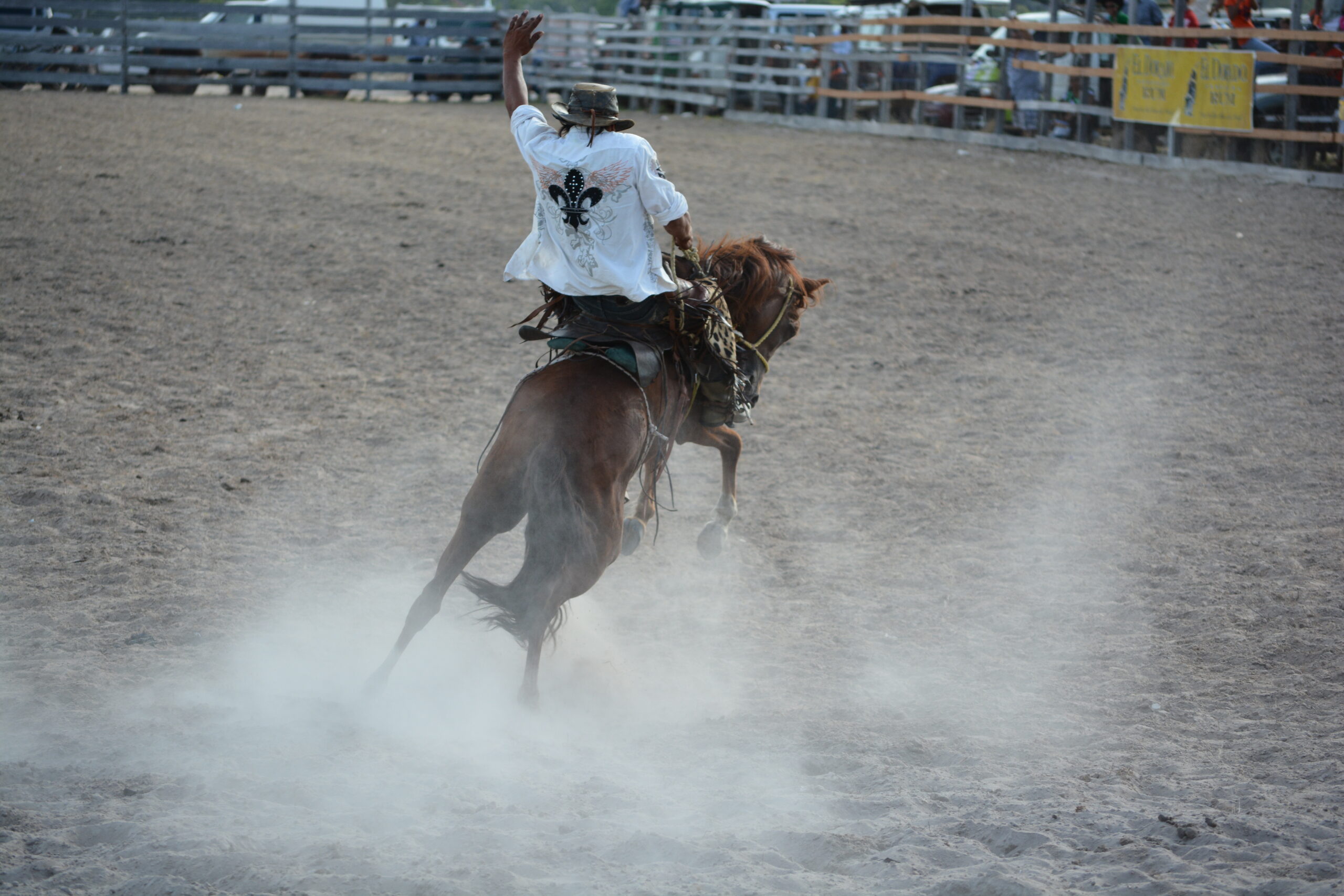
Rodeo Events & Competitions

Watch skilled vaqueros compete in thrilling traditional and modern competitions that test courage, skill, and savannah spirit.

Bull Riding

The ultimate test of courage and balance. Cowboys attempt to ride a bucking bull for 8 seconds while holding on with just one hand. This heart-pounding event draws the biggest crowds and showcases the fearless spirit of Rupununi cowboys. For 2026, competitor numbers have been reduced to approximately 20 riders to prevent programmes from running into the early morning hours.

Bareback Bronc Riding

Riders attempt to stay mounted bareback on an untamed horse as it bucks, kicks, and twists. This traditional rodeo staple demonstrates the raw horsemanship skills essential to savannah ranching life. For 2026, competitor numbers have been reduced to approximately 20 riders to prevent programmes from running into the early morning hours.

Saddle Bronc Riding

Similar to bareback bronc riding but with a saddle, this event tests a different set of skills — riders must maintain balance and rhythm with the horse's bucking while keeping their feet in the stirrups. A crowd favorite since the earliest rodeo days.

Barrel Racing

A high-speed competition where riders navigate a cloverleaf pattern around three barrels in the fastest time possible. This exciting event showcases precision riding and is particularly popular among female competitors.

Calf Roping

Cowboys demonstrate ranching skills by roping a running calf, dismounting, and tying three of its legs. Speed and technique are crucial in this timed event that reflects real cattle ranching work on Rupununi ranches.

Horse Racing

Thoroughbred and savannah horses compete in sprint races across the Triple R Ground. These races showcase the fastest horses in the Rupununi and attract serious betting and spirited competition among ranchers and spectators alike.

Dirt Bike & Dune Buggy Racing

Modern motorsports have joined traditional rodeo events! Watch fearless riders navigate challenging dirt tracks in high-speed races that add contemporary thrills to the classic rodeo atmosphere. These events attract younger competitors and motorsport enthusiasts.

Wild Cow Milking

A crowd favorite! Teams of cowboys attempt to catch and milk a wild, uncooperative cow in the arena. Hilarious, chaotic, and uniquely entertaining — this event always gets the biggest laughs and cheers from spectators.

Fun Competitions

Between the main events, enjoy crowd-pleasing fun competitions including the beer run, watermelon eating competition, tug of war, and dance-off to country music. These light-hearted events get the entire audience involved and add to the festive atmosphere.

Miss Rupununi Ranchers Pageant

Young women compete for the prestigious title of Miss Rupununi Ranchers, showcasing talent, intelligence, cultural knowledge, and beauty. The pageant celebrates the important role of women in Rupununi ranching communities and Indigenous culture.

Live Music & Entertainment

When the sun sets over the savannah, the rodeo transforms into an epic party. Local bands, soca artists, Brazilian forró musicians, and traditional Indigenous performers provide non-stop entertainment throughout the three-day festival.

Where Indigenous Heritage Meets Cowboy Culture

The Rupununi Rodeo represents a unique cultural phenomenon — the seamless blend of Indigenous Makushi and Wapishana traditions with Brazilian vaquero ranching culture.

Placeholder Image Indigenous cowboys at Rupununi Rodeo showcasing Makushi culture

The Story of Indigenous Cowboys

Stan Brock's famous observation — "All the Cowboys Were Indians" — captures the essence of the Rupununi Rodeo. Unlike American or Brazilian rodeos, where cowboy culture was historically dominated by European settlers, Guyana's rodeo is fundamentally Indigenous.

The Makushi and Wapishana peoples of the Rupununi savannahs have been cattle ranchers for generations, seamlessly integrating European-introduced cattle ranching with their traditional knowledge of the land, weather patterns, and animal behavior. This unique fusion created a distinctly Guyanese cowboy identity.

Indigenous Ranching Families

The Melvilles, Harts, Gorinskys, and Orellas represent multi-generational ranching dynasties that pioneered cattle ranching in the Rupununi and established the rodeo tradition.

Brazilian Vaquero Influence

The Rupununi's proximity to Brazil brought vaquero traditions, Portuguese language influences, and Brazilian ranching techniques that merged with Makushi cattle management practices.

Community & Tradition

The rodeo serves as an annual reunion for scattered savannah communities, preserving cultural identity, strengthening family bonds, and passing ranching skills to younger generations.

2026 Event Information & How to Get There

Everything you need to know to experience the Rupununi Rodeo 2026

2026 Dates & Theme

Dates: April 3-5, 2026 (Easter Weekend)

Theme: "Wild and Bold, Rupununi Stories Unfold"

Location: Triple R Ground, Tabatinga, Lethem (Region 9)

The rodeo runs from Good Friday through Easter Sunday with events starting around 9:00 AM daily and continuing into the night with live music and entertainment.

The 2026 rodeo is part of Guyana's Diamond Jubilee celebrations, marking 60 years of independence. For the first time, GuyExpo featured a dedicated Rupununi Rodeo presence to promote the event to Georgetown residents ahead of the Easter weekend.

Tickets & Entry

Entry fees are typically charged per day or as a full weekend pass. Exact 2026 pricing will be announced closer to the event.

2026 capacity: Increased to 8,000 tickets per day (up from ~6,000 in previous years). Registration opened on February 9, 2026.

Organized by: Rupununi Livestock Producers Association (RLPA), in partnership with the Guyana Tourism Authority (GTA) and Ministry of Tourism.

Spectator tips:

  • Arrive early for the best viewing spots
  • Bring cash (limited card acceptance)
  • Wear sun protection and comfortable clothing
  • Bring a hat and sunscreen

What to Expect

The Rupununi Rodeo is a rustic, authentic experience. Expect:

  • Outdoor arena with basic seating
  • Dust, heat, and savannah conditions
  • Food and drink vendors on-site
  • Cash-only transactions
  • Limited cell phone coverage
  • Amazing community atmosphere

New for 2026

This year's rodeo features exciting additions and improvements

Farmers' Market

A brand new Farmers' Market with 16 villages participating, showcasing local produce, crafts, traditional foods, and artisanal products from across the Rupununi region.

History & Art Booth

A dedicated History & Art booth celebrating the rodeo's heritage through photographs, artifacts, and artwork from the Rupununi's ranching history.

Upgraded Facilities

VIP section for premium viewing, new bleachers for improved spectator comfort, upgraded washroom facilities, and a green initiative promoting environmental responsibility at the event.

Getting to Lethem

Two main options: fly or drive the legendary Trans-Guyana Highway

By Air (Recommended)

Duration: ~1.5 hours from Georgetown

Airlines: Roraima Airways, Trans Guyana Airways, Air Services Limited, Jaggs Aviation

Flight Details:

  • Daily flights from Ogle Airport (Georgetown)
  • Book well in advance (rodeo weekend sells out)
  • Spectacular aerial views of rainforest and savannah
  • Luggage weight restrictions apply

Tip: Flights fill up quickly during Easter weekend — book at least 2-3 months ahead!

2026 update: The government has pressured aviation operators to offer competitive pricing for rodeo weekend. Book early — this edition is expected to be the biggest yet.

By Road (Adventure Route)

Duration: 2-3 days (557 miles / 896 km)

Route: Georgetown → Linden → Kurupukari → Lethem

Road Journey Highlights:

  • Cross Essequibo River by ferry at Kurupukari
  • Drive through pristine rainforest and savannah
  • Stop at Iwokrama Rainforest Reserve
  • Requires 4WD vehicle during rainy season

Important: Road conditions vary seasonally. April is typically dry, but check current conditions before departure.

2026 update: An additional 100km of the Linden-Mabura road has been paved as of March 2026. The remaining unpaved stretch is being graded specifically for Easter weekend travel. 4WD still recommended for the full journey.

Traditional Rodeo Food

Authentic Rupununi flavors you'll discover at the rodeo

🥩

Tasso

Sun-dried beef that's been a ranching staple for centuries. Thin strips of meat are salted and dried in the savannah sun, creating an intensely flavorful, jerky-like delicacy. A true taste of cowboy tradition.

🫓

Cassava Bread

Thin, crispy flatbread made from cassava (yuca root) using traditional Indigenous methods. This staple has sustained Makushi and Wapishana communities for thousands of years and pairs perfectly with tasso or pepperpot.

🍲

Pepperpot

Guyana's national dish — a rich, dark stew of meat slow-cooked with cassareep (cassava sauce), cinnamon, and hot peppers. The longer it cooks, the better it tastes. Served with cassava bread or rice.

🍺

Kasiri

Traditional Indigenous cassava beer fermented naturally. This mildly alcoholic beverage has cultural and ceremonial significance and is commonly shared during community celebrations like the rodeo.

🌾

Farine

Toasted cassava flour that's a versatile staple in Rupununi cuisine. Eaten as a side dish, mixed with stews, or sprinkled over meals for added texture and nutty flavor. Essential savannah food.

🔥

BBQ & Grilled Meats

Freshly grilled beef, chicken, and game meats cooked over open flames. Rodeo vendors serve up sizzling barbecue with Brazilian-influenced marinades and savannah spices throughout the event.

Food Culture Tips

Most food vendors are cash-only — bring plenty of Guyanese dollars. ATMs are limited in Lethem and may run out during the busy rodeo weekend.

Try everything! The rodeo is an incredible opportunity to experience authentic Rupununi and Indigenous cuisine that's difficult to find elsewhere in Guyana.

Stay hydrated: The savannah sun is intense. Drink plenty of water and local beverages like mauby, sorrel, or fresh fruit juices sold by vendors.

Where to Stay

Accommodation options in Lethem and the Rupununi region

Hotels & Guesthouses

Lethem has several hotels and guesthouses ranging from basic to comfortable:

  • Takutu Hotel
  • Savannah Inn
  • FW Rupununi Eco Hotel
  • Adventure Guianas Hotel (Hotel Toucanna)
  • Manari Ranch (outside Lethem)
  • Various family-run guesthouses

2026 update: THAG's president has confirmed that accommodations in Lethem are already booked out for rodeo weekend. Consider camping, day trips from Georgetown by air, or arranging homestays with local families well in advance.

Camping & Alternative Options

For the adventurous and budget-conscious:

  • Camping at designated areas near Triple R Ground
  • Hammock camping (bring mosquito net)
  • Stay with local families (arrange in advance)
  • RV/camper van parking available

Tip: Many visitors camp to fully immerse in the rodeo atmosphere and save on accommodation costs.

Eco-Lodges & Ranches

Experience authentic Rupununi hospitality:

  • Caiman House (Yupukari Village)
  • Rock View Lodge
  • Karanambu Ranch
  • Dadanawa Ranch (advance booking only)

These lodges offer incredible wildlife experiences and cultural immersion but require advance booking and may involve additional travel from Lethem.

Bonfim, Brazil — Cross-Border Option

Lethem sits directly on the Brazilian border, connected to the town of Bonfim, Roraima via the Takutu River Bridge — a walkable and drivable international border crossing. Brazilian visitors attend the rodeo in large numbers, and the cross-border connection adds a unique international dimension to the event.

Brazilian reais are widely accepted in Lethem shops and market stalls. Bonfim offers additional accommodation options and is worth considering as overflow lodging when Lethem hotels are fully booked. Cross-border shopping for supplies, food, and affordable goods is popular with rodeo visitors.

Ready to Experience the Wild Heart of Guyana?

The Rupununi Ranchers' Rodeo is a once-in-a-lifetime cultural experience. Don't miss Easter Weekend 2026 in the spectacular savannahs of Lethem!