Community-based tourism (CBT) represents the best of what travel can be: authentic experiences that benefit the people and places you visit. In Guyana, Indigenous communities have pioneered this approach, building a network of eco-lodges and experiences that provide sustainable income while protecting some of Earth's most pristine wilderness.
This guide explains how CBT works in Guyana, why it matters, and how you can be part of this transformative approach to travel.
Why It Matters — The International Context
Guyana was named the world's #1 Best of Ecotourism destination at ITB Berlin 2019 — the global tourism industry's annual benchmark — built largely on the strength of its community-led model. The country's largest pristine rainforest, the Iwokrama Forest (371,000 hectares, established 1996 under the Iwokrama Act), borders most North Rupununi CBT villages and works in direct partnership with them on conservation and research.
What is Community-Based Tourism?
Community-based tourism puts local communities at the center of tourism development. Rather than outside investors building hotels on Indigenous land, the communities themselves own and operate tourism facilities, make decisions about how tourism develops, and keep the economic benefits within the community.
The CBT Difference
Traditional Tourism: Outside ownership, profits leave the area, communities have little control.
Community-Based Tourism: Local ownership, profits stay local, communities decide how tourism develops.
In Guyana, CBT emerged in the 1990s when Indigenous villages in the Rupununi began exploring alternatives to extractive industries. Communities like Surama built the first community-owned eco-lodges, proving that tourism could generate income while preserving forest and culture.
Benefits of Community-Based Tourism
Economic Benefits
Revenue stays in the community, supporting families and local projects.
Education
Tourism income funds schools and youth training programs.
Healthcare
Communities invest in health posts and medical supplies.
Cultural Preservation
Youth learn traditions by sharing them with visitors.
Conservation
Standing forest becomes more valuable than cleared land.
Employment
Young people stay in villages as guides, cooks, and managers.
Conservation Through Tourism
Perhaps the most significant impact of CBT in Guyana is on conservation. When communities earn income from tourists who come to see wildlife, they have strong incentives to protect that wildlife. Several examples illustrate this:
- Rewa Village banned commercial arapaima fishing and now earns more from catch-and-release fishing tourism than they ever did from selling fish
- Yupukari protects black caiman populations that now draw researchers and tourists
- Surama monitors harpy eagle nests, creating both income and conservation data
- Multiple communities have created wildlife reserves on their titled lands
The CBT Formula
"When wildlife is worth more alive than dead, communities become the best conservationists. Tourism provides the economic argument for protection." - Conservation International
Guyana's Nine Indigenous Nations
Nine distinct Indigenous peoples call Guyana home — each with their own language, traditions, and ancestral territories. Community-based tourism in Guyana is led by villages from these nations, and visiting their lodges is often the only way to experience their cultures firsthand. According to Guyana's Bureau of Statistics, Indigenous peoples make up roughly 10% of the national population (~78,500 people, 2012 census).
Arawak (Lokono)
Largest coastal Indigenous nation. Territories along the Pomeroon, Moruca, and Mahaicony rivers in Regions 1 & 2.
Akawaio
Upper Mazaruni (Region 7). Known for goldmining heritage and strong land-rights advocacy.
Arekuna (Pemon)
Borderlands of the Upper Mazaruni, extending into Venezuela and Brazil's Roraima state.
Carib (Karinya)
Barima-Waini and Upper Demerara — once Guyana's most widely-spread Indigenous nation.
Macushi
North Rupununi savannas (Region 9). Lead nation behind the country's most established CBT programs: Surama, Rewa, Wowetta, Yupukari, Annai.
Patamona
Pakaraima Mountains (Region 8). Most concentrated around Kato, Paramakatoi, and Chenapau villages.
Wai Wai
Konashen Community-Owned Conservation Area (Deep South Rupununi) — one of South America's largest community-managed conservation territories.
Wapichan (Wapishana)
South Rupununi savannas (Region 9) — Aishalton, Sand Creek, Sawariwau, Maruranau. Long-running advocacy to formalise ancestral land title.
Warao
Orinoco Delta region in the northwest. Skilled boat-builders and weavers; cross-border ties with the larger Warao population in Venezuela.
Featured Community Eco-Lodges
These are the most established community-owned tourism programs in Guyana — each fully owned and operated by the local village, with revenue flowing directly to the community.
Surama Eco-Lodge — Macushi, North Rupununi
The benchmark for community tourism in Guyana. Founded by Surama Village in 1996, with capacity-building support from USAID and Wilderness Explorers. The lodge offers thatched cabanas, harpy-eagle nest monitoring with the village's own research team, river trips, and cassava-making demonstrations.
Rewa Eco-Lodge — Macushi, North Rupununi
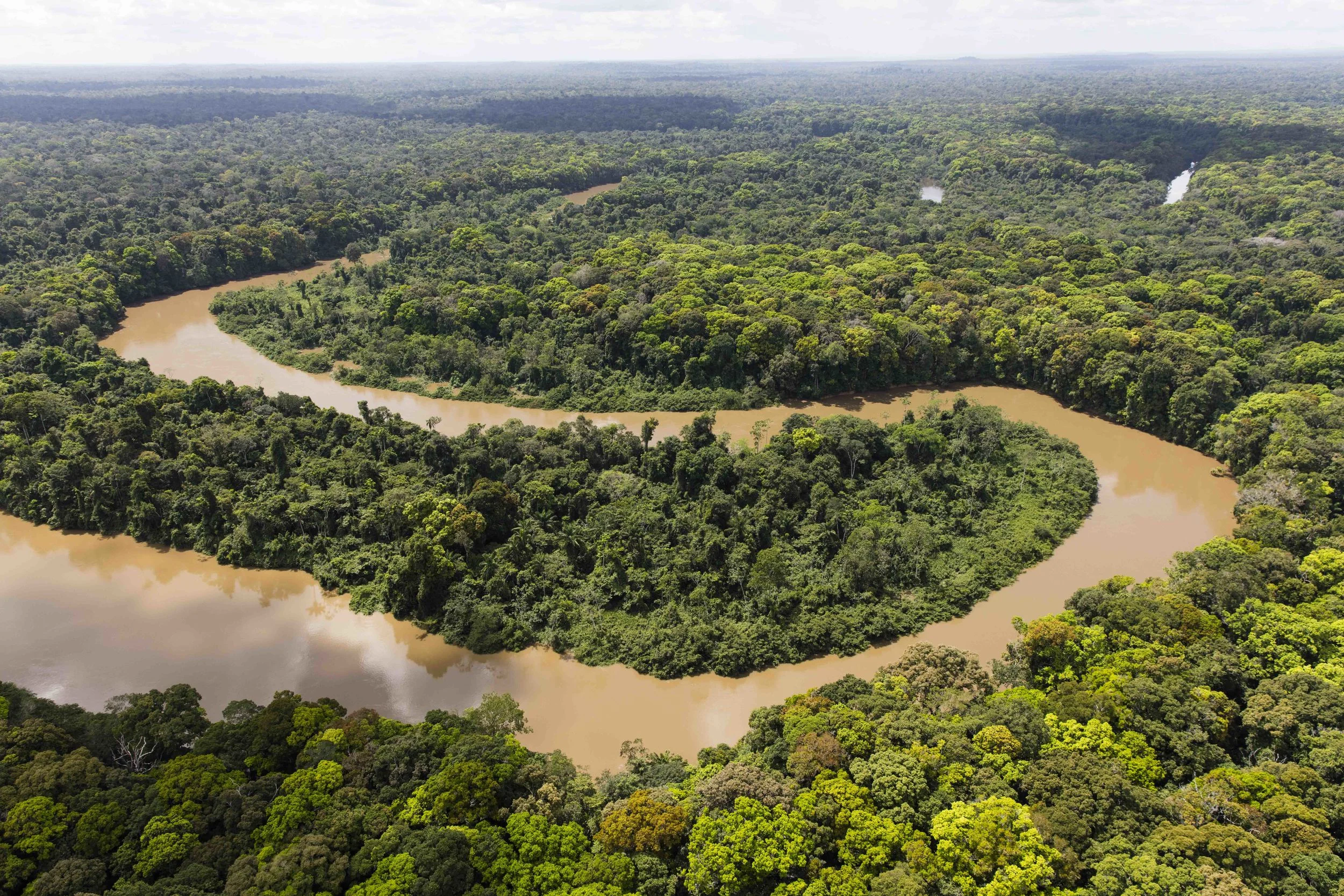
At the confluence of the Rewa and Rupununi rivers. Famous for catch-and-release arapaima fishing — the village banned commercial arapaima harvest and now earns more from sportfishing tourists than it ever did selling the fish. Birding tours target harpy eagle, jabiru stork, and the region's 400+ recorded species.
Yupukari Village (Caiman House) — Macushi, North Rupununi
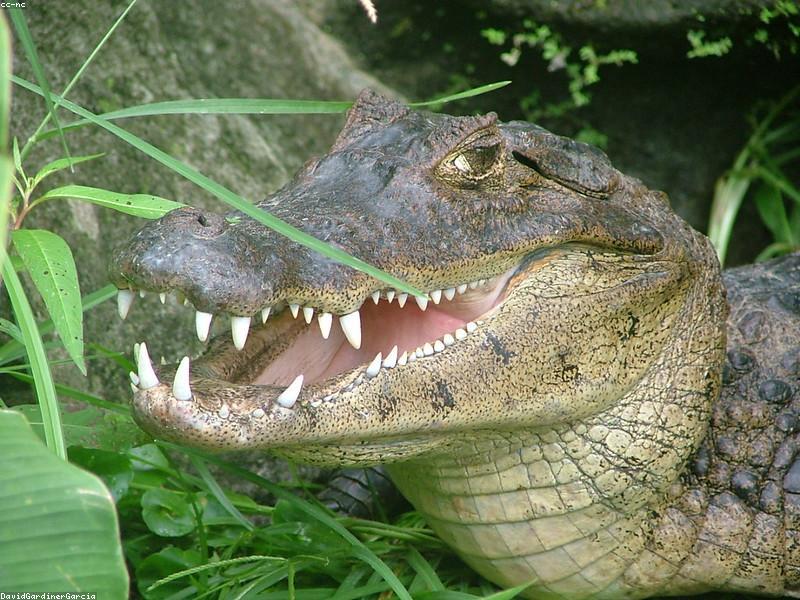
Best known for black-caiman research — guests join nightly survey trips with the village's biologist team. Also offers giant otter tracking on the Rupununi River and arapaima fishing. Operates as a research-tourism hybrid; income supports both the village and the Rupununi Wildlife Studies programme.
Wowetta Village — Macushi, North Rupununi
Compact, intimate community lodge focused on cultural immersion: cassava processing, traditional bow-and-arrow demonstrations, savanna walks, and overnight stays in family homes. Tighter and less commercialised than the larger lodges.
Karasabai Village (KCDC) — Macushi, North Rupununi
Sun parrot conservation hub. The Karasabai Community Development Council protects the last remaining Guyanese population of the endangered sun parakeet (Aratinga solstitialis), and visitors can join early-morning monitoring trips with village rangers.
Karanambu Lodge — North Rupununi
Historic ranch turned eco-lodge, made famous by the late Diane McTurk's giant otter rehabilitation work. Now partly community-engaged through the Karanambu Trust. Daily otter sightings on the Rupununi River, savanna and wetland tours, full board.
Know Before You Go — Indigenous Protocol
Respect & Permission
Visiting Indigenous communities in Guyana is a privilege, not a right. Most CBT lodges sit on titled Amerindian lands governed by the local Village Council and Toshao (Village Chief).
- Always book through the community's official channel (NRDDB, the lodge directly, or a GTA-licensed operator) — never show up unannounced.
- Ask before photographing people, especially elders and during ceremonies.
- Buy crafts directly from the artisans — not middlemen in Georgetown.
- Pack out everything you pack in. Most villages have no waste-management infrastructure.
- Dress modestly when in the village (lightweight long sleeves and pants are both respectful and practical for sun + insects).
- The Ministry of Amerindian Affairs publishes the formal entry protocol for non-titled visitors entering titled lands; CBT lodges handle this for guests on their bookings.
CBT Community Networks
Most Guyana CBT lodges coordinate through one of two regional councils, plus the national Guyana Tourism Authority's community-led tourism framework:
North Rupununi Communities
Coordinated through the North Rupununi District Development Board (NRDDB) — an Indigenous-led umbrella body that has run since the 1990s.
South Rupununi Communities
Coordinated through the South Rupununi District Council (SRDC), supported by the South Rupununi Conservation Society (SRCS) on biodiversity.
How CBT Works
Community Ownership
Each CBT initiative is owned by the village community as a whole. Village councils make decisions about tourism development, set prices, and allocate revenues. Individual families participate as guides, cooks, artisans, and hosts.
Revenue Distribution
Typical revenue split in Guyanese CBT:
- 40-50% - Operating costs (food, maintenance, transport)
- 30-40% - Staff wages (guides, cooks, managers)
- 10-20% - Community fund (schools, healthcare, projects)
- 5-10% - Reserve fund (improvements, emergencies)
Partnerships
Communities work with:
- Tour operators - Bring visitors and handle marketing
- NGOs - Provide training and capacity building
- Government - Support infrastructure and policy
- Researchers - Collaborate on conservation projects
Support Community Tourism
Choose community-owned lodges and experiences. Your visit directly benefits Indigenous communities and conservation.
View ExperiencesHow to Support CBT
As a Visitor
- Book community-owned lodges - Ask your operator which accommodations are community-owned
- Buy local - Purchase crafts directly from artisans
- Respect guidelines - Follow cultural and environmental protocols
- Tip appropriately - Gratuities go directly to staff
- Share your experience - Reviews and recommendations help communities reach more visitors
Questions to Ask Tour Operators
When booking, ask:
- Are the lodges community-owned?
- How much of my payment goes to the community?
- Are guides from the local community?
- What community projects does tourism support?
Beyond Your Visit
- Donate - Some communities accept direct donations for specific projects
- Volunteer - Long-term volunteers can contribute skills
- Advocate - Support policies that empower Indigenous communities
- Educate - Share the CBT model with other travelers
Challenges and Realities
CBT is not without challenges:
- Accessibility - Remote locations require significant travel
- Capacity - Small communities can only host limited visitors
- Seasonality - Rainy season limits access to some areas
- Infrastructure - Basic facilities may not suit all travelers
- Communication - Limited phone and internet connectivity
These challenges are also part of what makes CBT special - you are visiting real communities, not purpose-built tourist facilities. Flexibility and realistic expectations are essential.
The Right Mindset
CBT works best when visitors come as guests, not consumers. You are visiting someone's home, learning about their culture, and contributing to their community. The experience may be rustic, but it is genuine.
The Future of CBT in Guyana
Community-based tourism in Guyana continues to grow and evolve:
- New communities are developing tourism programs
- Training programs are building local capacity
- Technology is improving communication and booking
- Recognition - Guyana's CBT model is studied internationally
- Carbon credits - Communities are exploring forest carbon programs alongside tourism
As Guyana's tourism sector grows, the CBT foundation ensures that growth benefits the people who have stewarded this land for generations.
People Also Ask
How does community-based tourism benefit Indigenous villages in Guyana?
Revenue from lodging, guiding, meals, and craft sales flows directly into a village-controlled fund. In Guyana's most successful programs (Surama, Rewa, Wowetta), typical splits send 40–50% to operating costs, 30–40% to staff wages, and 10–20% to a community fund used for schools, clinics, and infrastructure — with the rest held in reserve.
Do I need a permit to visit Amerindian communities in Guyana?
For titled Amerindian lands, formal permission is administered by the Ministry of Amerindian Affairs and the local Village Council. Most CBT lodges handle the entry coordination automatically when you book through them or through a Guyana Tourism Authority (GTA)-licensed operator — you do not need to apply separately. Showing up unannounced is never appropriate.
What are the best community-owned eco-lodges in the Rupununi?
The four most established are Surama Eco-Lodge (the benchmark, Macushi-owned), Rewa Eco-Lodge (river confluence, arapaima fishing), Caiman House at Yupukari (black-caiman research), and Wowetta (intimate cultural immersion). Add Karasabai for sun-parrot conservation and Karanambu for giant otters — six destinations, three weeks if you want them all.
How do you get to Surama Eco-Lodge from Georgetown?
Two routes: a charter flight from Eugene F. Correia International Airport (Ogle) to Annai airstrip (~1 hour), then a 30-minute ground transfer; or a ~14-hour overland bus ride down the Linden-Lethem road. Most visitors fly to Annai and combine Surama with stops at Iwokrama River Lodge and one Rupununi village.
What is the role of the Guyana Tourism Authority in community tourism?
The GTA licenses tour operators that bring visitors into Indigenous communities, sets the national community-led tourism framework, and certifies lodges that meet operating standards. Booking through a GTA-licensed operator (or through an NRDDB/SRDC member lodge directly) means the village has agreed to the visit and is set up to host you properly.
Frequently Asked Questions
What is community-based tourism (CBT)?
Community-based tourism is a form of sustainable tourism where local communities own, operate, and benefit directly from tourism activities. In Guyana, Indigenous villages run their own eco-lodges, employ local guides, and use tourism revenue for community development.
How does community tourism benefit local communities in Guyana?
Benefits include: direct income for families, employment for youth as guides and staff, funding for schools and healthcare, cultural preservation through sharing traditions, reduced pressure on natural resources, and incentives for conservation.
Which communities in Guyana offer community-based tourism?
Major CBT communities include Surama, Rewa, Annai, Yupukari, Nappi, Wowetta, and others in the Rupununi region. Each offers unique experiences from arapaima fishing to cultural immersion to wildlife watching.
How can visitors support community-based tourism in Guyana?
Visitors can support CBT by: booking directly or through operators who work with communities, staying at community-owned lodges, purchasing crafts directly from artisans, respecting cultural guidelines, and sharing positive experiences to encourage others.
Last updated: April 2026. For help planning your community tourism experience, browse our sustainable travel options or contact us.